In this article
A Zambian copper target needs a model explaining where mineralisation may occur and a programme that can test it. National production and nearby operations provide context, while the project itself needs evidence of host rocks, geometry, grade and process response. Surface copper staining alone is not a development case.
This guide connects Copperbelt research with a staged exploration brief and a simple metal calculation. You should finish able to define the next geological test and the information a process or investment review will need.
Use the Copperbelt model carefully
The USGS assessment of sediment-hosted copper in the Central African Copperbelt examines the Roan Group and related setting across Zambia and the DRC. It is a geological reference for target generation, not evidence that every licence lies within a productive horizon.
Compile maps, historical holes and assays for the specific property. Investigate host units, structural relationships, weathering and continuity. Distinguish oxide, mixed and sulphide material because those differences can affect sampling interpretation and later treatment.
Combine mapping, sampling and physical evidence
Plan traverses and systematic sampling around the model and exposure. Where cover limits observation, select geophysical methods from the expected physical contrast. A conductor or chargeability anomaly can justify a test but does not establish copper grade.
Record sample locations, collection methods and analytical packages. Include appropriate checks and follow up inconsistent results. Define why each ranked target deserves further work and what evidence could reject it.
Design drilling for geometry and material
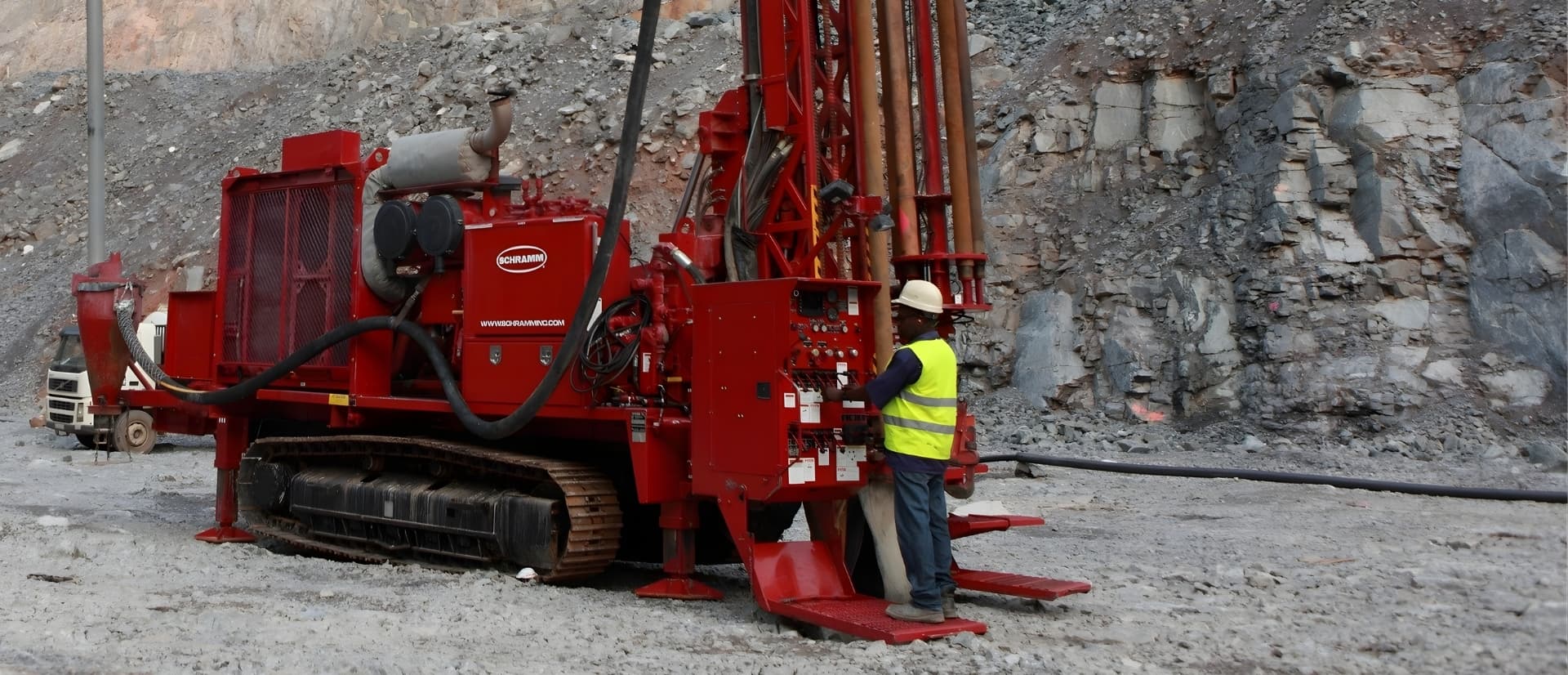
Select the drilling method and hole orientation to test the mineralised package rather than simply extend a line of surface samples downward. Keep surveys, recoveries, logging and assays traceable. Core may provide structural and metallurgical information that a chip-only programme cannot provide in the same way.
Review the first stage before committing the next. If the interpretation changes from a continuous horizon to discontinuous zones, the drilling and economic questions should change with it.
Distinguish contained copper from payable output
For an illustrative 10,000 t parcel averaging 1.0% copper, contained copper is 100 t. At an assumed 85% recovery to concentrate, 85 t reaches that product. At an assumed 95% payability of the recovered copper, payable copper would be 80.75 t, before treatment charges, penalties and other terms.
These are teaching assumptions, not a Zambia benchmark or a buyer offer. A concentrate’s total tonnage also depends on its grade. Do not multiply ore tonnage directly by a refined-metal price and call the result mine revenue.
Connect the exploration case to processing and access
Test mineralogy and treatment response across the expected feed domains. Establish water, power, access, environmental work and the product route before treating the discovery model as a plant brief. Cobalt or another by-product needs its own assay, recovery and payable evidence.
USGS’s Zambia industry page offers dated production and industry context. Use the original reporting period and verify current tenure, regulatory and commercial arrangements through the relevant local channels.
Questions and answers
Can a long copper-bearing drill interval be used directly as the mining width?
The reported interval follows the drill hole. Its relationship to the mineralised body's true width depends on hole orientation and geological geometry. Keep surveys and structural interpretation with the assays, and have the geologist establish that relationship before using the interval in a mine or volume model.
Can contained copper be valued as though all of it will be paid for?
Contained metal is an input to the assessment, while recovery, product quality and the buyer's payable terms determine saleable value. Establish a representative process response and proposed product specification, then include charges and deductions. Applying a metal price to all contained copper can overstate the revenue basis.
Test the copper model and its product route
Use regional geology to frame the target, then establish local geometry, grade and process behaviour through controlled work. Evaluate payable output under actual product terms instead of equating contained metal with revenue. Prepare a target model and phased drilling brief before advancing to a development study.
Sources and assumptions
USGS references were reviewed on 5 October 2026. Metal recovery and payability inputs are hypothetical; no current project ownership or buyer terms are asserted.