
In this article
Equipment procurement begins with the work the machine must perform and the conditions where it will operate. Across East and Southern Africa, transport, utilities, access and maintenance support can change an otherwise suitable catalogue choice. The useful comparison is a complete duty and delivered scope, not simply a brand or nominal capacity.
This guide helps owners prepare that scope for exploration, processing and mine-support equipment. It shows how to turn a project requirement into supplier questions and avoid confusing equipment selection with proof that a mine will produce economically.
Build a duty list for the project stage
An exploration programme may require sampling tools, a drilling service, survey equipment, sample preparation and power. A producing mine adds feed handling, processing, water, lifting and safety systems. Organise the list by task and identify what is essential now, what can be hired and what depends on later evidence.
Describe drilling by method, depth, ground conditions and sample requirement. Describe processing by feed characteristics, throughput and target product. A requested “gold plant” without those details leaves suppliers pricing different systems.
Give suppliers a site brief
Provide location, road and bridge constraints, unloading arrangements, elevation where relevant, water, electrical supply and the operating environment. Confirm workforce capability, maintenance access and the intended schedule. Identify unusual lifting or transport needs before fabrication or purchase.
Caterpillar’s generator-sizing guidance distinguishes running and starting demand. It is one example of why a motor rating alone does not define the site utility requirement. Ask the equipment and electrical suppliers to work from the same load list.
Connect process equipment to test evidence
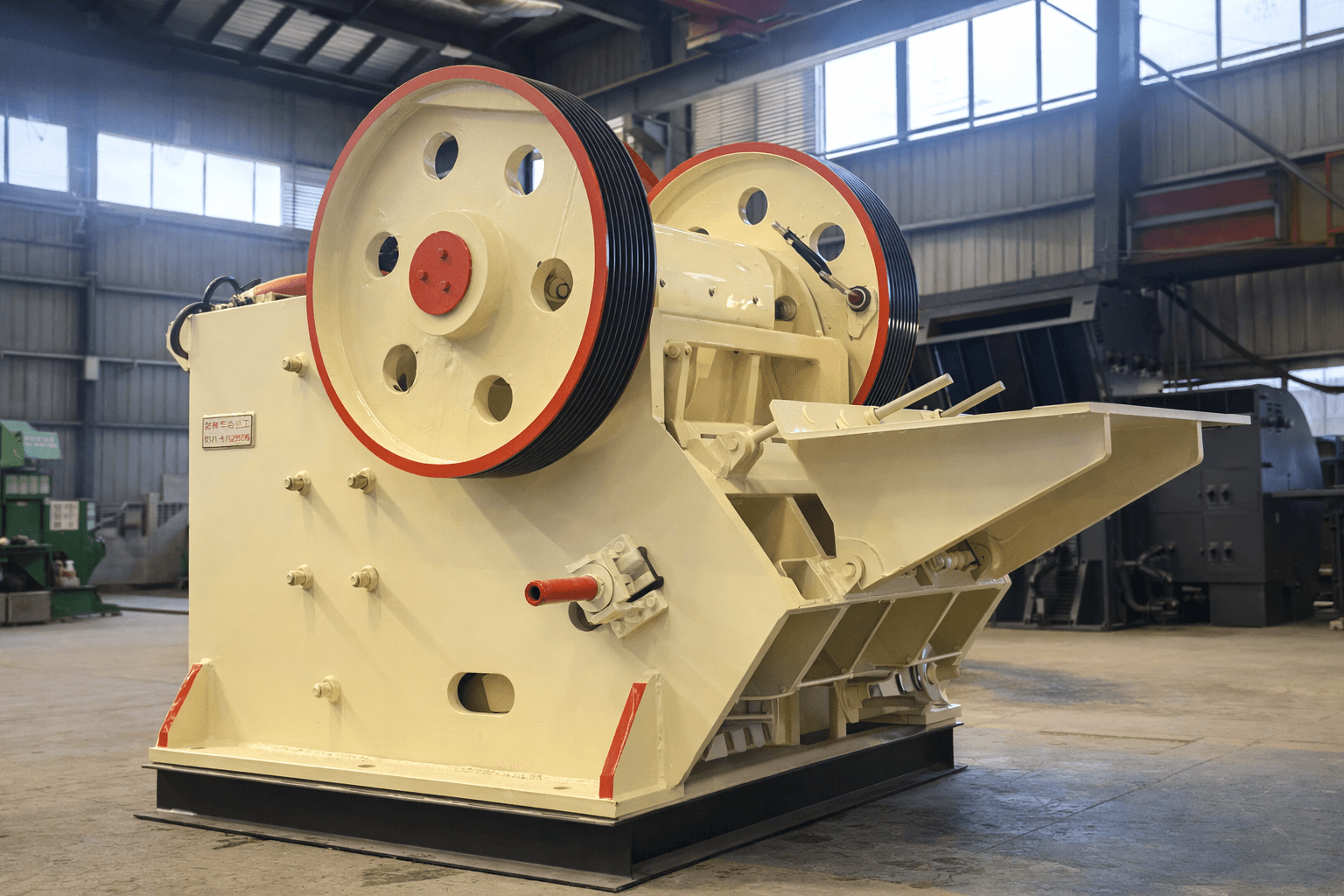
For crushing and grinding, provide size, hardness and product requirements backed by suitable testing. For recovery equipment, give the metallurgical response and stream duties. Metso’s crushing and screening handbook is a technical reference for the relationship between feed, reduction, capacity and product.
Ask suppliers to state the assumptions behind their selection and guarantees. A nominal capacity achieved on another material should remain a reference, not become your production forecast without assessment.
Compare two offers with equal scope
Suppose, illustratively, offer A is USD 90,000 for equipment only and offer B is USD 110,000 including delivery and startup support. If A needs assumed USD 12,000 delivery and USD 10,000 installation and support, its comparable total becomes USD 112,000. Taxes, utilities and owner works may still be outside both.
The example shows how inclusions change a ranking; the amounts are not market prices. Create a line-by-line comparison with “included,” “excluded” and “unconfirmed” entries so an omission cannot disappear into a lower total.
Assess maintenance and acceptance
Identify the manufacturer and model, parts lead times, service support and essential startup spares. Agree manuals, drawings, training and commissioning duties. Use a documented acceptance test with agreed feed and operating conditions, rather than accepting delivery as proof of performance.
Also decide whether rental or used equipment suits the period and uncertainty. The rental guide and used-equipment guide provide comparison sequences for those options.
Prepare a quotation pack
Send the duty list, site brief, available test reports, required delivery scope and commissioning expectations together. Ask for currency, validity, delivery basis and exclusions. For a plant, include an owner’s budget and working cash using the startup-budget guide.
Questions and answers
Can I compare two machines using nominal capacity alone?
Confirm the feed, required product, operating hours, utilities and site conditions behind each rating. Then compare the complete scope, including delivery, installation, spares and acceptance. Machines with the same catalogue capacity may serve different duties or depend on assumptions your project cannot meet.
When should spare parts enter the procurement budget?
Include them when defining the equipment and support scope, rather than after the first breakdown. Ask which wear and critical parts are needed for the planned duty, their lead times and local support arrangements. Keep initial spares distinct from routine operating consumption so both funding requirements are visible.
Procure for a defined job
Select equipment from duty, evidence and site conditions, then compare complete offers and support arrangements. A clear quotation pack gives suppliers a common basis and makes omissions visible. Prepare that pack before using headline prices to decide what the project can afford.
Sources and example basis
Manufacturer references were reviewed on 5 October 2026. Offer values are illustrative; no current model availability or regional market share is claimed.